Mediation is an effective way to resolve disputes without the expense and stress of litigation, but it comes with its own set of challenges. Understanding these common obstacles and knowing how to overcome them can make the mediation process smoother and more successful.
In this article, we’ll discuss mediation challenges in Placer County, CA, that often arise in mediation, particularly in personal injury cases, and offer practical solutions for each.
How Can Emotional Tension Or Unresolved Anger Interfere With Mediation In Placer County Personal Injury Cases?
Placer County, nestled between the Sacramento Valley and the Sierra Nevada Mountains, is known for its natural beauty and tight-knit communities. Disputes in this area, especially involving property rights, agriculture, or development, can evoke strong feelings. When people feel their personal legacy or livelihood is under threat, emotional tension can run especially high.
The key to managing emotional tension is acknowledging the feelings involved. The mediator needs to validate these emotions by recognizing their significance. When participants feel heard and understood, they are more likely to engage in productive discussions.
Addressing underlying emotions early in the process can help pave the way for a resolution, as people are more inclined to compromise when they feel their concerns have been acknowledged.
What Strategies Help When The Opposing Party Has Unrealistic Settlement Expectations During California Mediation?
One of the more challenging aspects of mediation is when one party sets unrealistic settlement expectations. In California, this can happen when fear or anxiety drives inflated demands. For example, in a personal injury case, the opposing party may fear long-term disability or a loss of future income, which can lead to an overestimation of the settlement amount.
To address unrealistic demands, it’s wise to understand the underlying fears or concerns driving them. A candid conversation can help uncover whether these expectations are based on emotional factors or misunderstandings about the case. Discussing these fears openly can reduce tensions and help both sides find common ground.
How Do Experienced Mediators In Placer County Address Power Imbalances During Mediation Sessions?
Power imbalances often arise in mediation when one party feels they are at a disadvantage, such as when there is a perceived imbalance of wealth, legal resources, or influence. In Placer County, this can be especially true in personal injury cases, where one party may have greater financial resources or stronger legal backing.
An experienced mediator’s role should be to reassure both parties that the process remains neutral, regardless of any perceived power imbalances. The mediator must make it clear that their goal is resolution, not to favor one side over the other. This is particularly important when the party with fewer resources feels they are at a disadvantage. By reinforcing the mediator’s impartiality, the process can be conducted with fairness.
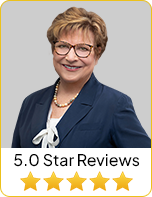
Anna Niemann, founder of Niemann Mediation Services in California, has extensive experience navigating the complexities of mediation, particularly in personal injury cases in Placer County. Known for her empathetic approach, Anna understands the emotional challenges that can arise during mediation and works to create an environment where all parties feel heard and respected. With a strong track record of overcoming challenges like unrealistic settlement expectations and power imbalances, Anna is well-equipped to guide you toward a fair resolution.
If you're facing a dispute and want to avoid lengthy litigation, contact Anna Niemann today for expert mediation support.
How Can Legal Misunderstandings Create Barriers In California Mediation? How Are They Resolved?
Legal misunderstandings are another common obstacle in mediation. Many parties, especially those with legal representation, believe their case is strong based on their knowledge of the law, their evidence, or their perceived righteousness. However, such misunderstandings can create roadblocks to resolving the dispute through mediation.
Mediators are trained to remind participants that if mediation isn’t successful, the next step is usually litigation. It’s important for parties to assess their BATNA (Best Alternative To a Negotiated Agreement).
If both parties are convinced that a court case is their best option, they may not be fully open to mediation. A mediator can help clarify this by focusing on the potential outcomes of a trial, encouraging the parties to consider the benefits of resolving the issue now rather than later.
Sometimes, these legal misunderstandings can be resolved by a direct conversation between the mediator and the parties, helping them understand the risks of continuing with litigation versus the advantages of settlement.
What Should You Do If The Other Party Shows Up To Mediation Without The Right Documentation Or Evidence?
One of the unique aspects of mediation is that it’s not a fact-finding or adjudicative process like arbitration or a courtroom trial. While documentation and evidence can be important, they are not required in the same way they are in a trial. In mediation, the goal is not to have a judge decide the facts but to find a mutual resolution based on what both parties are willing to accept.
If the other party doesn’t bring the necessary documentation or evidence, it doesn’t mean the mediation is doomed to fail. The mediator will focus on facilitating a conversation where both sides can express their views and negotiate. The parties must come prepared to discuss the facts as they understand them and be willing to negotiate and compromise.
Even without all of the evidence, both sides can still engage in meaningful discussions about the dispute and work toward a resolution.
What’s The Most Valuable Lesson You’ve Learned From Mediating Tough Cases? How Has It Shaped Your Approach?
One of the most valuable lessons learned over the years of mediating difficult cases is the importance of patience and perseverance. In the beginning, it was easy to assume that when one party said, This isn’t going to work, it was the end of the road. However, with more experience, I realized that many issues are resolved with just a little more time and effort.
Often, when things seem hopeless, there may still be a breakthrough just around the corner. A mediator must have faith in the process, trust their skills, and maintain a belief that resolution is possible. Patience, empathy, and a commitment to keeping the conversation going are essential in overcoming the challenges of tough mediation cases.
Still Have Questions? Ready To Get Started?
For more information on mediation challenges in Placer County, CA, an initial consultation is your next best step. Get the information and legal answers you are seeking by calling (916) 799-4675 today.
Anna Niemann, founder of Niemann Mediation Services in California, has extensive experience navigating the complexities of mediation, particularly in personal injury cases in Placer County. Known for her empathetic approach, Anna understands the emotional challenges that can arise during mediation and works to create an environment where all parties feel heard and respected. With a strong track record of overcoming challenges like unrealistic settlement expectations and power imbalances, Anna is well-equipped to guide you toward a fair resolution.
If you're facing a dispute and want to avoid lengthy litigation, contact Anna Niemann today for expert mediation support.


